
EA
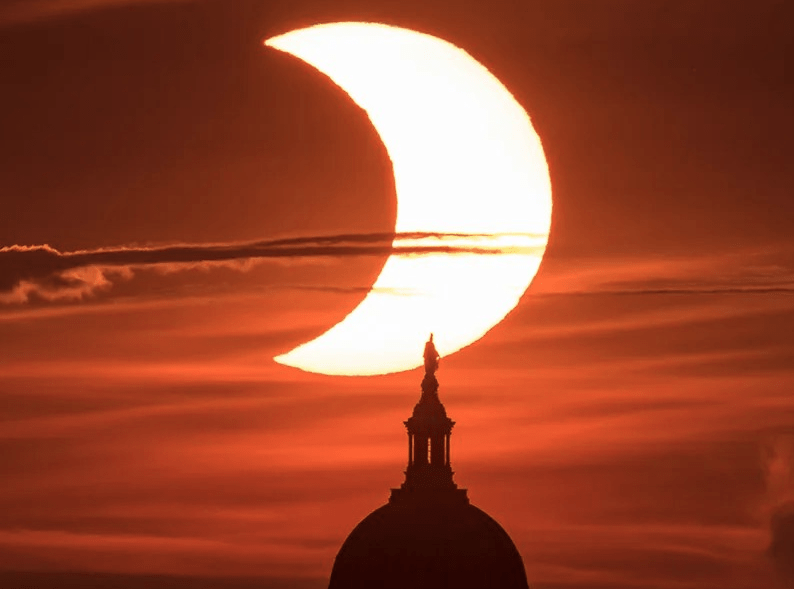
There is eager expectation regarding a solar eclipse which occurs on 21.06.2020. I discussed about this wonderful phenomenon with others where I shared my thoughts about eclipse. In this event, the moon becomes interposed between the Sun and the Earth. Hence, we will see the Sun obstructed. Those in the equatorial region would be lucky to visualize the eclipse this time as they would be on the eclipse path. Those who are far away will probably watch it on the media. Very exciting time!
Let me also mention other fascinating aspects of the Sun which literally influence the very sustenance of life on earth. Just scratching the surface really. We know that the Sun light encompasses the full spectrum of electromagnetic wave. The visible part of the light enables us to visualize things. In its absence, we can’t see anything despite open eyes.
The Sunlight is the primary natural source of vitamin D for human body. When the Ultraviolet B rays of the electromagnetic wave from the Sun touch the skin, a chemical reaction is triggered which initiates formation of Vitamin D in the body. In turn vitamin D is helpful for good bone health, fighting infection (healthy immune function), fertility and avoiding mood disorders such as depression. You may wish to read more about this here – https://bmcresnotes.biomedcentral.com/articles/10.1186/1756-0500-5-17

In line with this, human skin colour variation evolved partly as an adaptation to differing levels of ultraviolet radiation in different geographic regions. Those who live in the tropical region have strong Sun radiation; hence, they need significant melanin layer in their skin to provide protection from the dangers of he radiation whereas those nearer to the polar region would rather need lesser melanin so as to get/make enough vitamin D. Hence, the former appear darker whilst the latter would have fairer skin. This has created current world of diversified people of colour!
OXYGEN which is the most precious gift we breathe is a result of the sun light. Plants use carbon dioxide and water along with the Sun light to produce food and Oxygen. Then we breathe in Oxygen. That means human respiratory function is dependent on the normal functioning of the Sun.
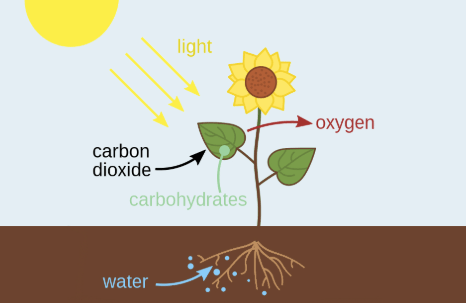

What surprises me further is that food that we consume is also an outcome of the solar radiation. We could also talk about the water cycle which is very much Sun intertwined.
The invisible part of the Sun radiation, such as infrared rays, keep the earth’s atmosphere warm and habitable.
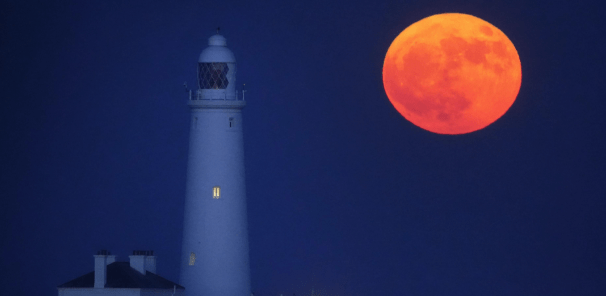
We see the Moon at night as it reflects the radiation of the Sun. The brightness of the moon is overwhelmed by the Sun’s grandiose light during the day until it reveals itself at night. It is the lesser light receiving its energy from the greater light, the Sun. The above picture is that of full lunar eclipse, otherwise known as ‘the red moon.’
Solar panels which capture the sunlight and produce the electrical energy are becoming very popular worldwide as cheaper energy option.
Overall, the Sun is such a great natural element of the universe playing a profound role in the existence of life on the earth. Even in the Bible, the first creation was light! No doubt life on earth is reliant on it!
Coming back to the approaching solar eclipse, the advice is to avoid looking directly at the Sun with the naked eyes during the eclipse due to a possible sudden re-emergence of the Sun!
Enjoy the Sun!
Initially written in 2020 on blogspot.com
EA

